The World’s Last Uncontacted Tribe and the Cost of Curiosity
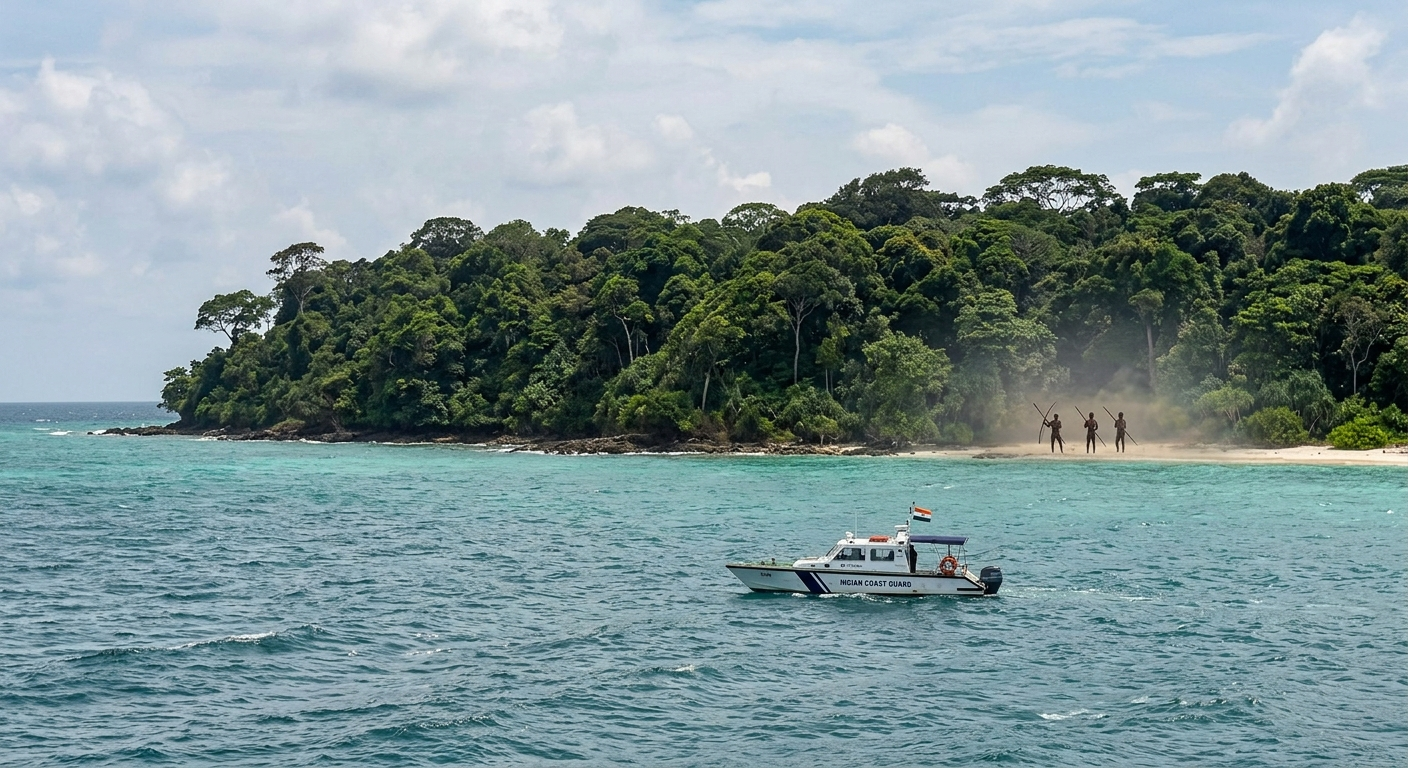
Hidden deep in the Bay of Bengal lies one of the most mysterious places on Earth — North Sentinel Island. This small, forest-covered island is home to the Sentinelese Tribe, widely believed to be the last completely uncontacted human population in the world.
While modern civilization continues to expand rapidly, the Sentinelese have chosen a very different path — one of complete isolation.
A Life Frozen in Time
The Sentinelese live as hunter-gatherers, relying on the island’s natural resources for survival. They hunt, fish, and gather food using tools that appear primitive by modern standards, yet perfectly suited to their environment. Their way of life has likely remained unchanged for thousands of years, offering a rare glimpse into early human existence.
Experts believe their ancestors may have migrated out of Africa nearly 70,000 years ago, making them one of the oldest surviving human lineages. Despite centuries of global exploration, they have successfully resisted all outside contact.
Why No One Is Welcome
What makes this island truly unique is not just isolation — it’s resistance.
The Sentinelese are known for their hostility toward outsiders. Boats, helicopters, and even distant observers have often been met with arrows and warning signals. This isn’t random aggression; it’s a deliberate effort to protect their land and way of life.
One of the most widely known incidents involved John Allen Chau, a 26-year-old American missionary who attempted to make contact in 2018. Ignoring strict legal restrictions, he reached the island with the aim of converting the tribe. Within days, he was killed.
This tragic event highlighted a harsh reality: some places are not meant to be entered.
Lessons from the Past
Attempts to contact the Sentinelese are not new. Historical records suggest encounters dating back centuries, including British colonial expeditions in the 19th century. Most of these efforts ended in failure or hostility.
A rare exception occurred in 1991, when Indian anthropologist Madhumala Chattopadhyay managed a peaceful interaction by offering coconuts from a safe distance. For a brief moment, it seemed possible to build trust — but the contact was never sustained.
Even unintended interactions have shaped their world. In 1981, a shipwreck near the island allowed the Sentinelese to collect metal, which they later used to strengthen their tools and weapons.
Protection Through Isolation
Recognizing the risks, the Government of India has enforced a strict no-contact policy. A 5-kilometer exclusion zone surrounds the island, making it illegal to approach.
This policy isn’t just about protecting outsiders — it’s about protecting the tribe itself.
The biggest threat to the Sentinelese isn’t violence; it’s disease. Having lived in isolation for thousands of years, they have little to no immunity against common illnesses like the flu or measles. Even minimal contact could lead to a devastating outbreak.
Should We Leave Them Alone?
In a world driven by exploration and curiosity, North Sentinel Island raises an uncomfortable question: just because we can reach somewhere, should we?
The Sentinelese have made their choice clear — they want to be left alone. Interfering with their lives could destroy a unique culture that has survived against all odds.
Their story is not just about mystery; it’s about respect. Respect for boundaries, for diversity, and for the idea that not every corner of the world needs to be touched by modern civilization.
Final Thoughts
North Sentinel Island remains one of the last true unknowns of our time. It reminds us that progress doesn’t always mean intrusion, and that sometimes, the most ethical decision is to step back.
As fascinating as the Sentinelese are, their greatest protection lies in distance — and perhaps that’s exactly how it should remain.