How Artificial Intelligence Is Transforming Our Daily Lives and Future Jobs
Artificial Intelligence (AI) is no longer a concept limited to science fiction. Over the past few years, it has rapidly become part of everyday life, changing the way people work, learn, and communicate. From writing assistance to image creation and automation tools, AI is quietly reshaping multiple industries around the world.
One of the biggest shifts came when advanced conversational AI tools became publicly available in late 2022. These tools gained millions of users in a very short time because they allow people to interact with computers using natural human language. Instead of complicated software commands, users can simply ask questions or request tasks in plain language, making technology more accessible than ever before.
AI and the Changing Job Market
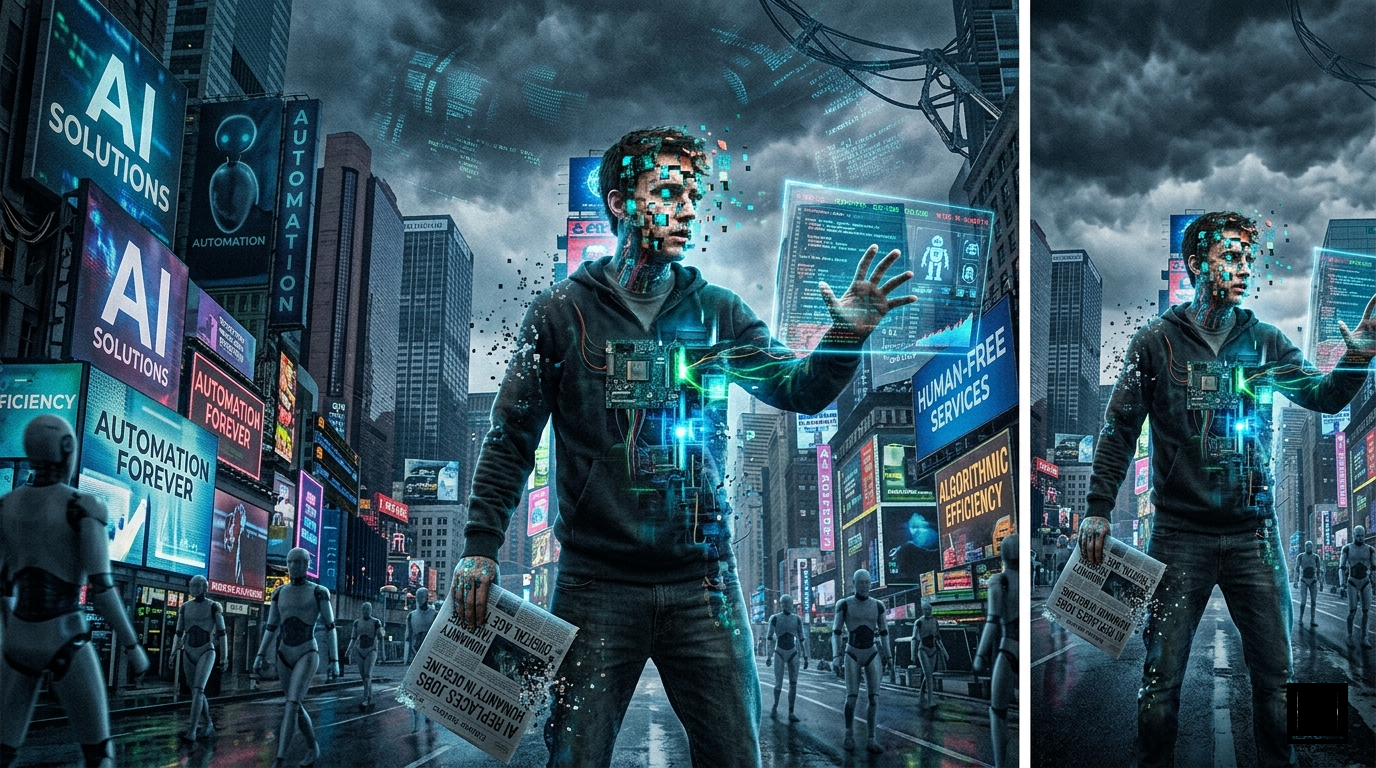
The rise of AI has sparked serious discussions about the future of jobs. Many routine and repetitive tasks are becoming automated, which means certain roles may gradually disappear. Jobs that involve predictable patterns, data processing, or simple creative work are especially vulnerable to automation.
However, the story does not end with job losses. Historically, every technological revolution has created new types of work. The same trend is expected with AI. New roles are emerging that focus on operating, managing, and improving AI systems. Professionals who understand how to work alongside AI tools will likely have a significant advantage in the job market.
Challenges in Education
Educational institutions are also facing new challenges due to AI technology. Many students now use AI tools to generate assignments, essays, or homework answers instantly. This raises concerns about academic honesty and whether students are truly learning the material.
Rather than banning these tools entirely, many educators believe the better solution is to teach students how to use AI responsibly. When used correctly, AI can support research, improve writing, and help explain complex topics, turning it into a powerful learning assistant instead of a shortcut for cheating.
Risks of Misinformation and Digital Fraud
Despite its benefits, AI also introduces serious ethical and security risks. Advanced AI can generate highly realistic images, videos, and audio clips that may appear completely authentic. This technology makes it easier to spread misinformation, manipulate public opinion, or create convincing digital scams.
Voice cloning technology, for example, can imitate a person’s voice with surprising accuracy. Criminals may misuse such tools to deceive individuals or businesses, increasing the sophistication of fraud schemes. As AI continues to evolve, stronger regulations and awareness will be necessary to protect people from misuse.
The Rise of Intelligent Robots
Another major development is the integration of AI with robotics. Engineers are already developing humanoid robots capable of performing physical tasks that were once limited to humans. In the future, such robots may assist in industries like construction, logistics, healthcare, and manufacturing.
If these technologies continue to improve, many physically demanding jobs could be handled by machines, allowing humans to focus on more creative, strategic, and problem-solving roles.